







Global Press Freedom Falls to 25-Year Low: RSF
RSF reports a historic global drop in press freedom, with most countries now classified as restrictive or dangerous.
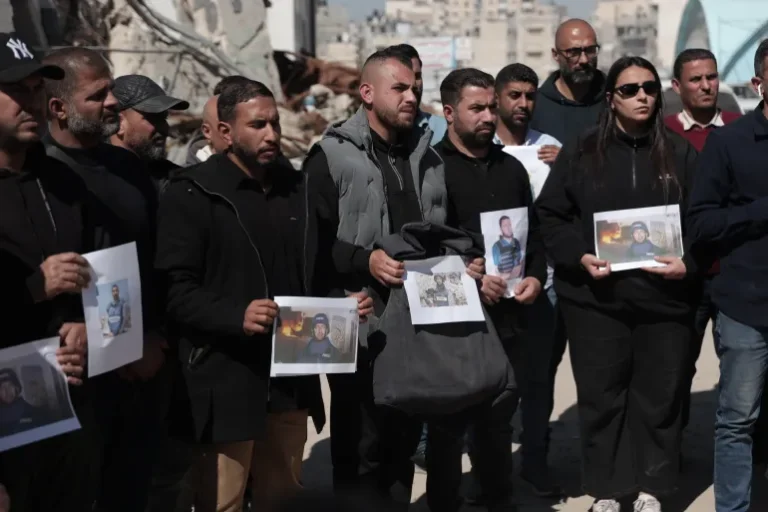
Press freedom conditions decline globally amid rising risks for journalists. Photo: Al Jazeera
April 30, 2026 Hour: 6:55 am
🔗 Comparte este artículo
Over half of countries now face “difficult” or “very serious” press freedom conditions
Global press freedom has reached its lowest point in 25 years, according to the latest World Press Freedom Index published by Reporters Without Borders (RSF), which evaluates conditions for journalists in 180 countries.
RELATED: Israeli Forces Kill Lebanese Journalist Amal Khalil
For the first time since the index began in 2002, more than half of all countries are classified under “difficult” or “very serious” conditions. RSF described this trend as “a clear sign that journalism is increasingly criminalised worldwide”.
Only seven countries, mostly in Northern Europe, are rated as having “good” levels of press freedom, with Norway, the Netherlands and Estonia occupying the top positions. France ranks 25th with a “satisfactory” score, while the United States stands at 64th with a “problematic” rating, having dropped seven places since President Donald Trump took office.
RSF stated that Trump “has turned his repeated attacks on the press and journalists into a systematic policy”. The report cites the detention and subsequent deportation of Salvadoran journalist Mario Guevara while covering protests against immigration raids, along with the suspension of several public media institutions.
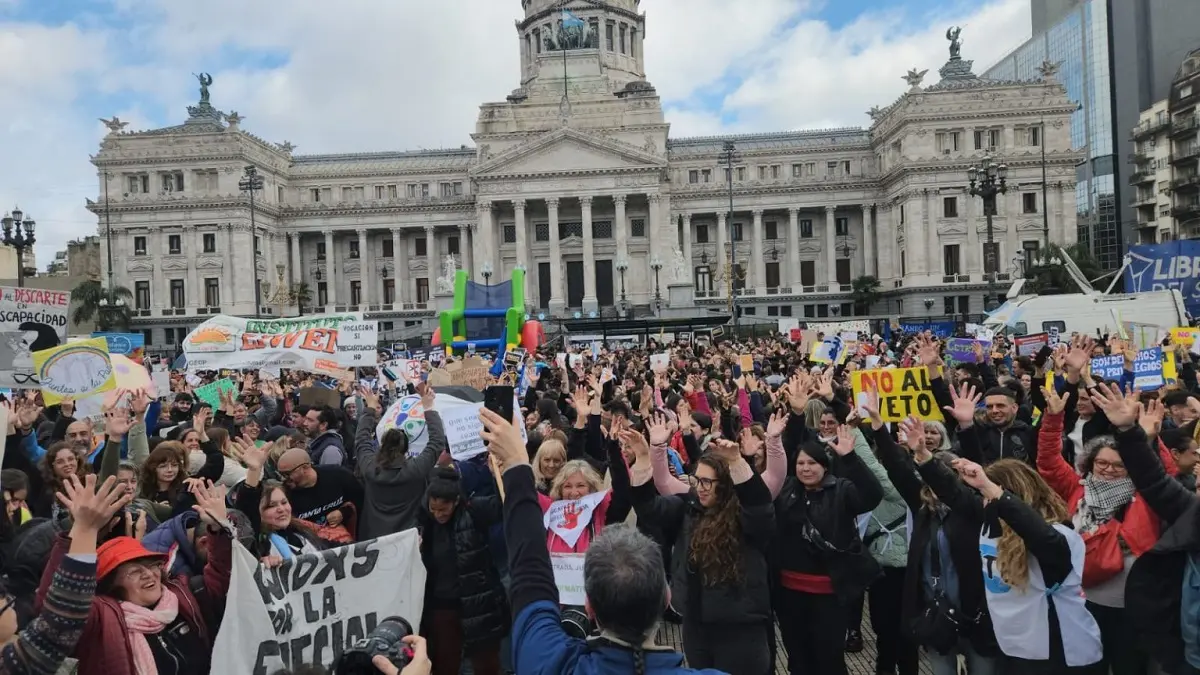
In Latin America, the index highlights a decline in Argentina under President Javier Milei, now ranked 98th, and El Salvador, which stands at 143rd after falling 105 positions since 2014 following a state campaign against criminal gangs.
RSF identifies Eastern Europe and the Middle East as the most dangerous regions for journalists, a pattern it says has persisted for 25 years. Russia (172nd) and Iran (177th) are among the lowest-ranked countries. The report also links armed conflict and restricted access to information to worsening conditions, citing Israel’s military actions in Gaza, the occupied West Bank and Lebanon. Israel ranks 116th.
“Since October 2023, more than 220 journalists have been killed in Gaza by the Israeli army, including at least 70 who were slain while carrying out their work,” the report states.
RSF reports that more than 60 percent of countries — 110 out of 180 — have introduced measures that criminalise journalism. It points to India (157th), Egypt (169th), Georgia (135th), Turkiye (163rd) and Hong Kong (140th) as examples of state-led restrictions.
“Although attacks on the right to information are more diverse and sophisticated, their perpetrators are now operating in plain sight,” said Anne Bocande, RSF’s Editorial Director.
She identified “authoritarian states, complicit or incompetent political powers, predatory economic actors and under-regulated online platforms” as central drivers of the global decline.
Bocande called for stronger responses from governments and societies to counter the trend, urging “firm guarantees and meaningful sanctions”.
“Current protection mechanisms are not strong enough; international law is being undermined and impunity is rife,” she said. “Inaction is a form of endorsement,” adding that “the spread of authoritarianism isn’t inevitable”.
Author: MK
Source: Al Jazeera / Reporters Without Borders